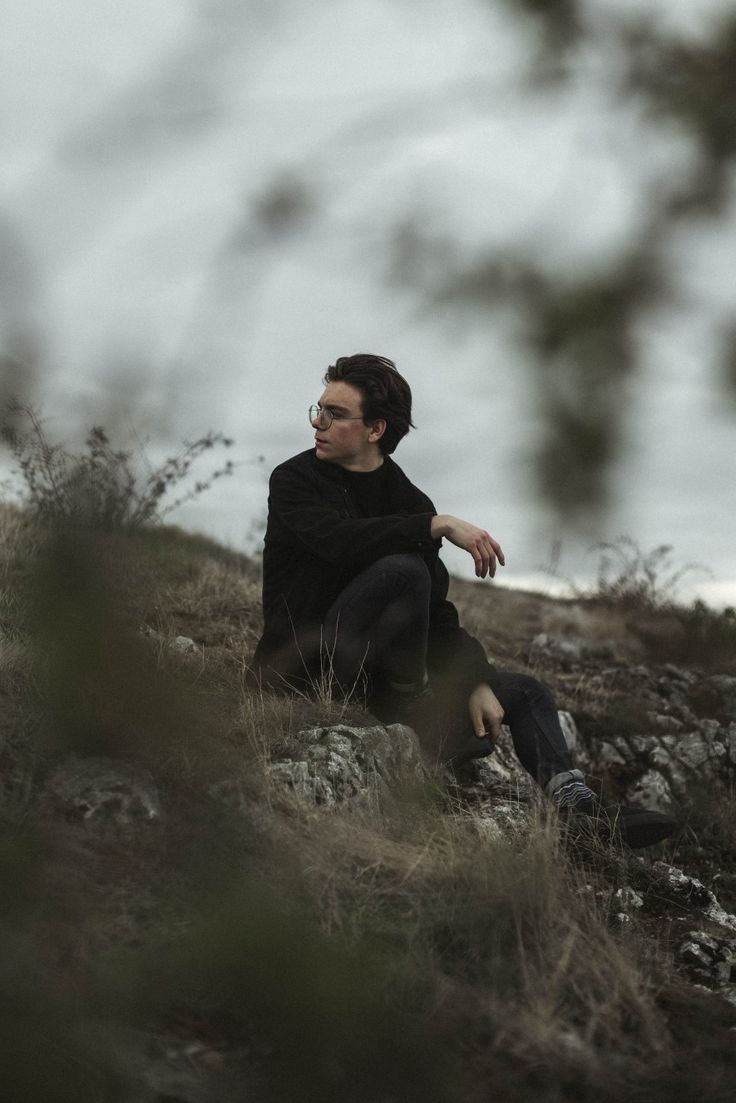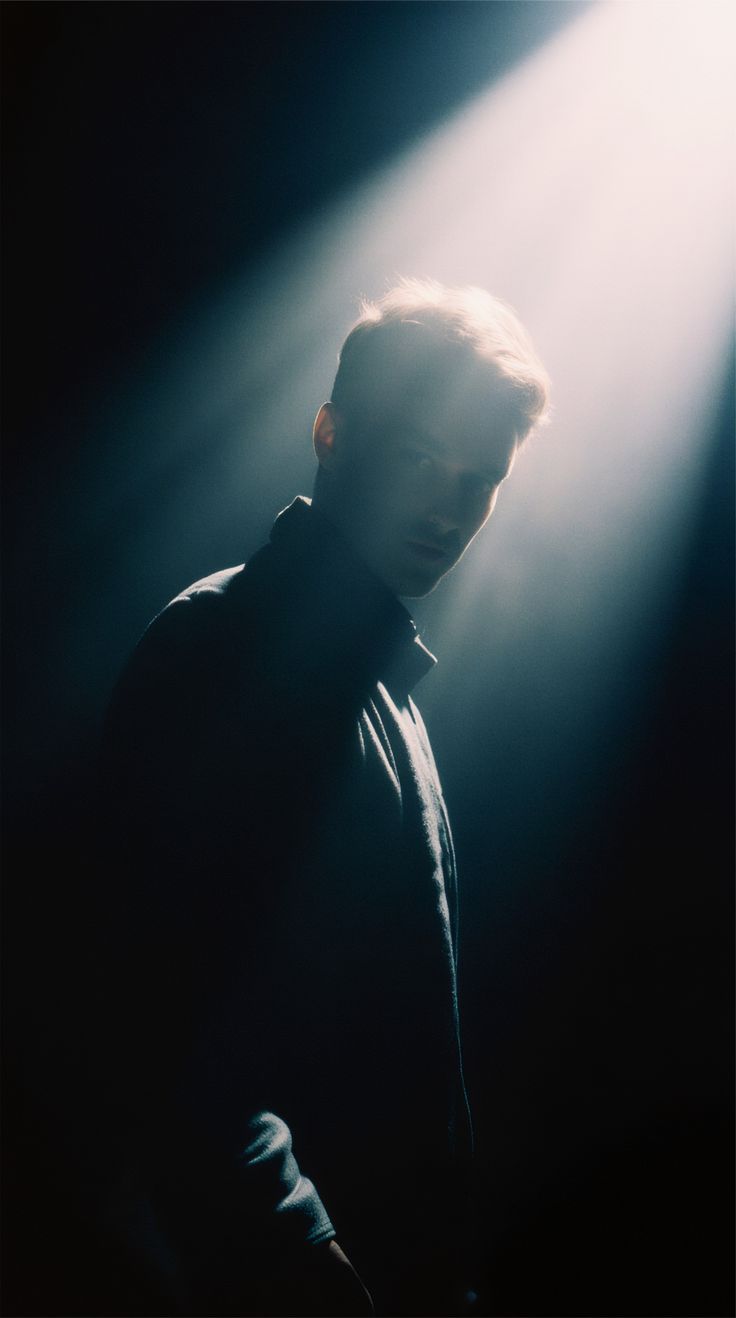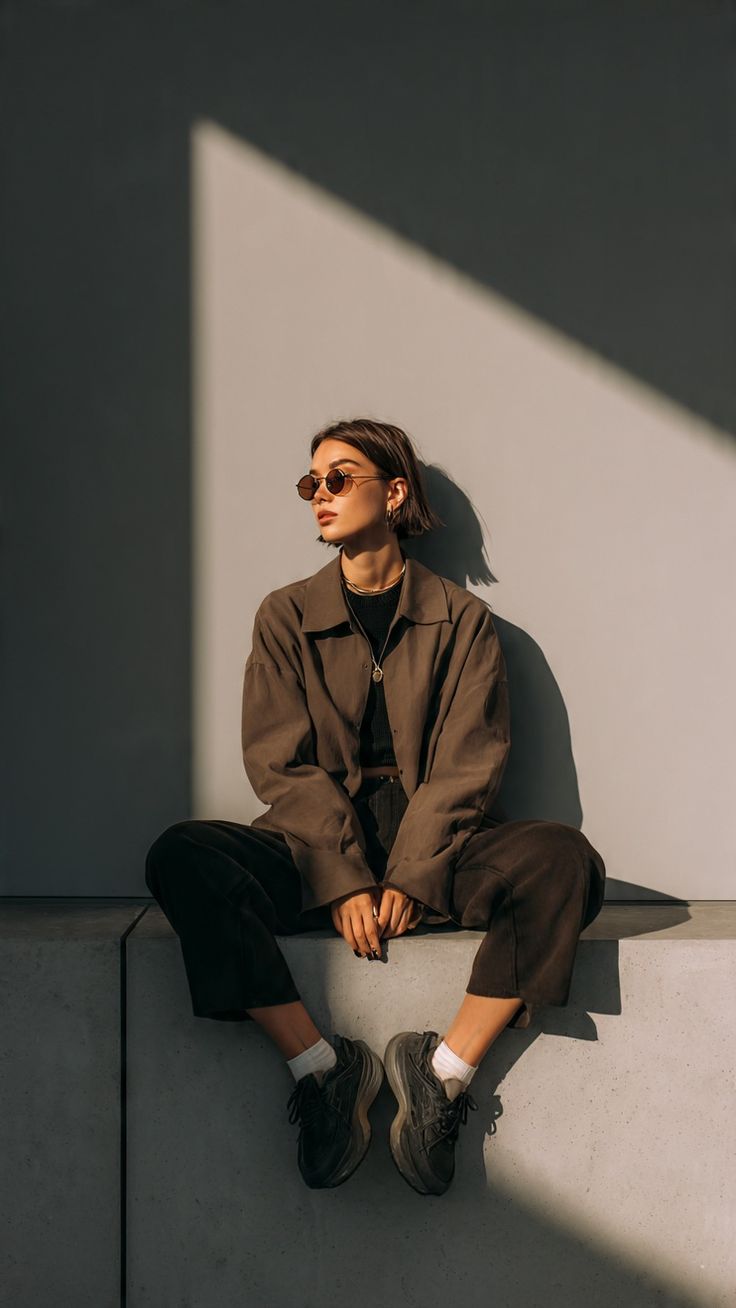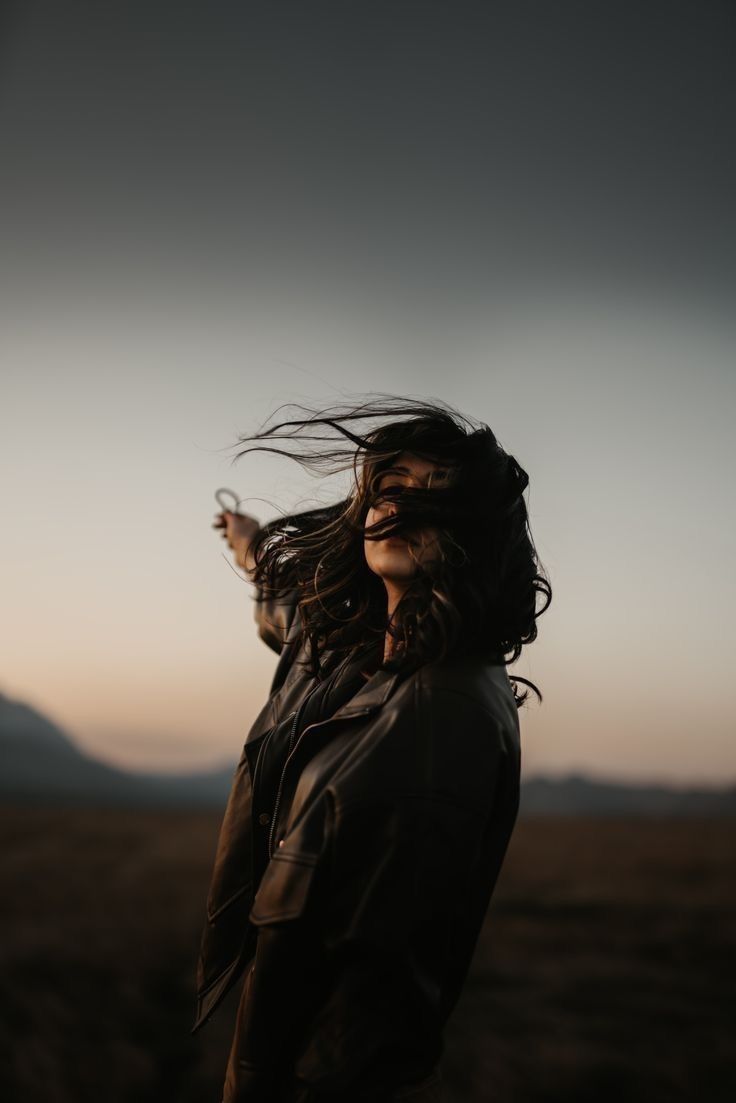
Rain, sleet and flat grey skies are not a cancelled shoot. Some of my favourite frames were made in weather I would never have chosen.
When the forecast turns, most shoots get moved. Mine usually go ahead. Some of the frames I am proudest of were made in sleet on the Faroe Islands, with the crew huddled behind a rock and the model asking politely how much longer.
Grey skies are a gift
Overcast light is the softest light there is. It wraps around faces, holds detail in white fabric and dark wool at the same time, and does not change every thirty seconds. A heavy grey sky is a studio with the ceiling removed.
Rain adds texture and mood
Wet streets reflect light and double the colour in a frame. Raindrops on a coat or a face give a picture a sense of time and place. I shoot with the light behind the rain whenever I can, so the drops catch it and read as streaks instead of disappearing.
Bad weather is only bad for the photographer who planned for good weather.
Protect the people first
Gear is replaceable. A cold, miserable model is not a good picture. I bring warm coats for between frames, a flask of something hot, and a car with the heater running nearby. Short bursts outside and long breaks in the warm keep everyone willing.
What is in my bag when the forecast is bad
- A weather-sealed body and lens, and a simple rain cover for the times that is not enough.
- A lens hood, which keeps more rain off the front element than anything else.
- Microfibre cloths, several, kept in a dry pocket.
- Silica gel packs in the bag and a rule never to change lenses in the open.