Journal · Gear
Full-Frame vs. Crop Sensor: Which for Photography?
Leon Vale · 18 September 2026 · 2 min read
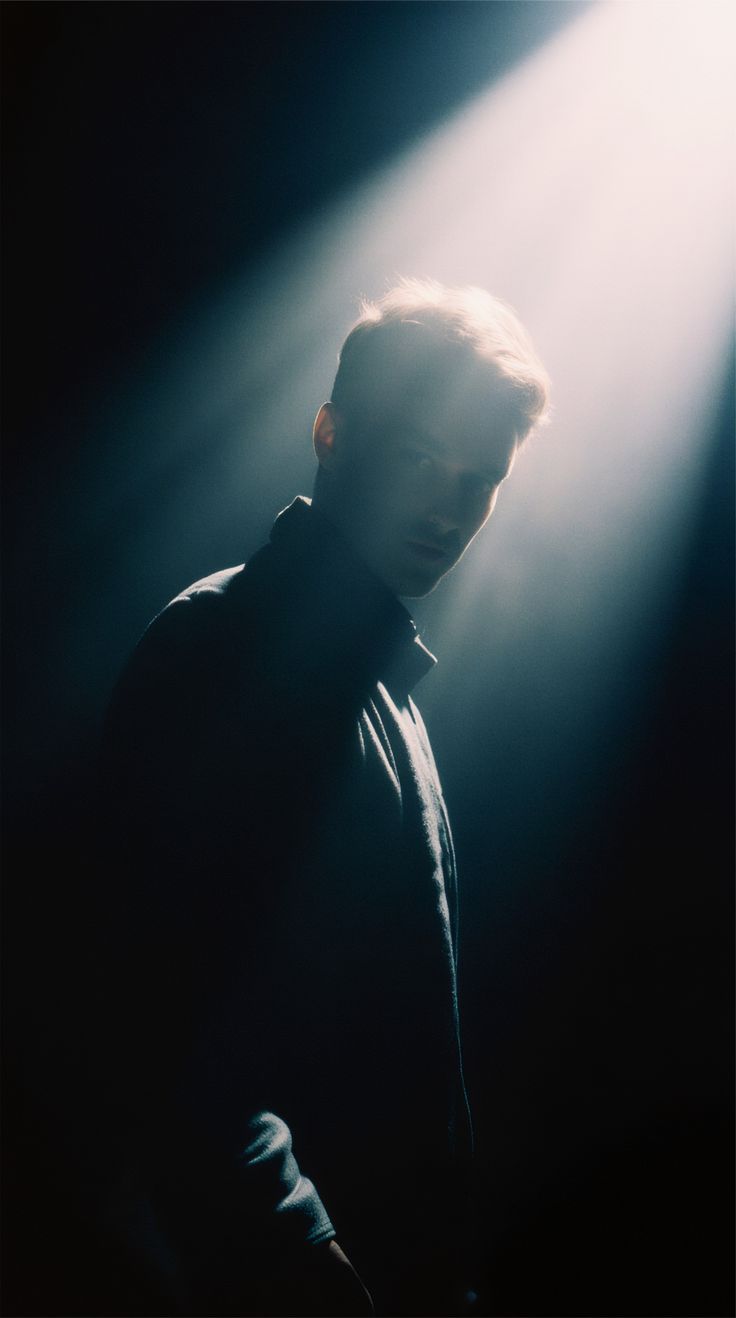
Sensor size changes more than the price. Here is what it actually does to depth, noise and the feel of a portrait, and when the smaller sensor is the better choice.
Every few weeks someone asks me which camera they should buy, and the real question underneath is almost always about sensor size. Full frame or crop. It is usually framed as good versus cheap, which misses most of what actually changes in the picture.
What the numbers mean
A full-frame sensor measures 36 by 24 millimetres, the same as a frame of 35mm film. Most crop sensors, usually called APS-C, are about 23.5 by 15.6 millimetres. That difference gives the crop factor: 1.5x on most systems and 1.6x on Canon. Put a 50mm lens on a crop body and you see roughly what a 75mm lens would show on full frame.
The lens itself does not change. What changes is how much of the image circle the sensor records, and that has three consequences worth caring about: field of view, depth of field and how much light you collect.
Depth of field and the look of a portrait
To match the framing of an 85mm portrait on full frame, a crop shooter reaches for something around 56mm. At the same aperture, the shorter lens gives you more depth of field. A 56mm at f/1.4 on APS-C renders background blur roughly like an 85mm at f/2 on full frame.
Sensor size does not decide whether a portrait is good. It decides how easily the background lets go of the subject.
For the way I work, close and with the background falling away quickly, that extra stop of separation matters. For street work, documentary or anything where you want more of the scene sharp, the crop sensor is quietly doing you a favour.
Noise, light and the dark end of the day
A bigger sensor collects more light in total, and in practice that is worth about a stop of cleaner files at high ISO. If you shoot weddings in dim churches or concerts from the pit, that stop is the difference between a usable frame and a grainy one. In daylight it is close to irrelevant.
Weight, cost and the camera you actually carry
Crop systems are smaller and lighter, and the lenses are smaller still. A crop body with two primes fits in a coat pocket. The best camera for a personal project is often the one you are willing to bring every day, and that is a real argument, not a consolation.
So which one
- Choose full frame if you photograph people in low light, want the shallowest possible depth of field, or plan to print large.
- Choose a crop sensor if you travel light, shoot in daylight, or want reach from telephoto lenses without the weight.
- Either way, spend more on lenses than on the body. Bodies are replaced every few years. Good glass stays.
I shoot commissions on full frame and medium format, and I still carry a small crop camera on almost every trip. They are different tools, and the work is better for having both.